Patent: Audio Weather Detection
A patented way to hear the weather, using the microphones in drivers' and passengers' phones to detect rain and floods street by street.
- Singapore patent
- 10202300901S
- Filed in
- SG, PCT, US
Why
Ride-hailing and delivery depend on the weather. A flooded road or a sudden downpour changes routes, arrival times and safety. In Southeast Asia, monsoons and the tropical climate can change conditions within hours.
Weather stations, radar and satellites are costly and give broad, slow, general results. Street-level accuracy would need a station in every part of every city, and trained observers can’t watch the sky 24/7 at scale.
But a ride-hailing platform already has phones on the street, everywhere, all day. Rain has a distinctive sound, so even a short recording can identify it with high confidence. Philipp Kandal and I filed the idea at Grab: use those phones as weather sensors.
How
A phone records a short sample of ambient sound, and a machine learning model compares it with sounds known to match each weather condition: rain on a windscreen, asphalt or a tin roof, thunder, wind, or a vehicle passing through a flooded street.
- Detect: the model can run on the phone itself. Audio then doesn’t need to leave the device, which protects privacy and saves mobile data.
- Filter: location, vehicle type and activity help select the right model and remove noise, such as nearby construction or traffic.
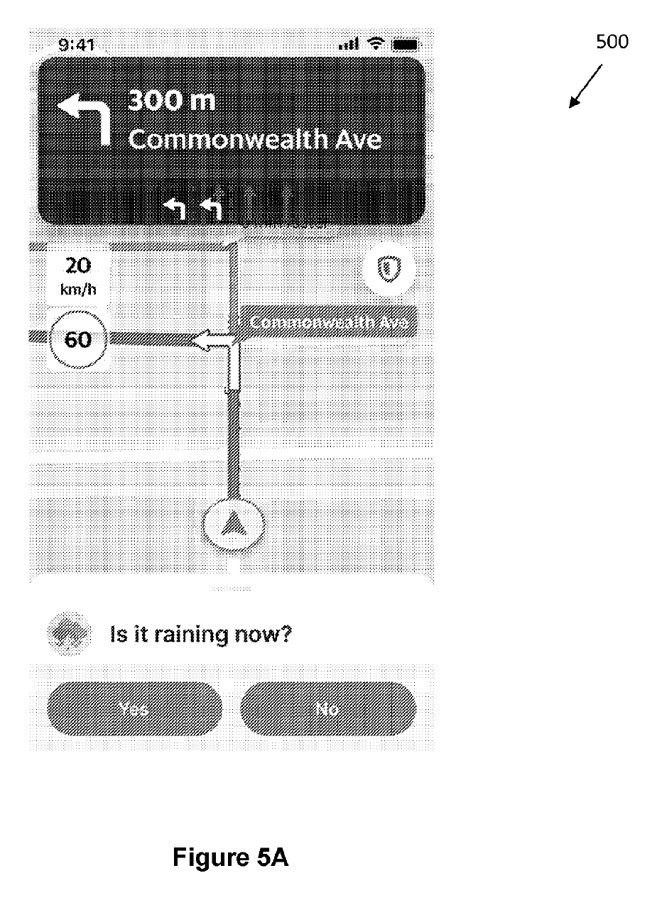
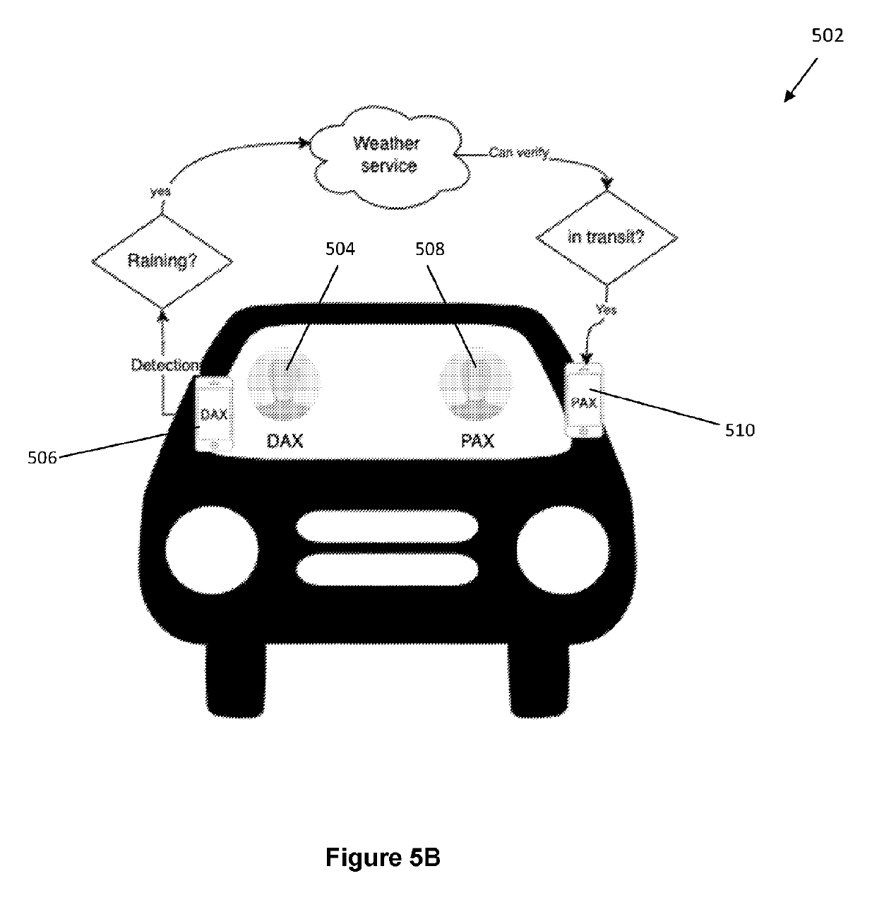
- Verify: the app asks “Is it raining now?”. If the driver is on a trip, the question goes to the passenger instead.
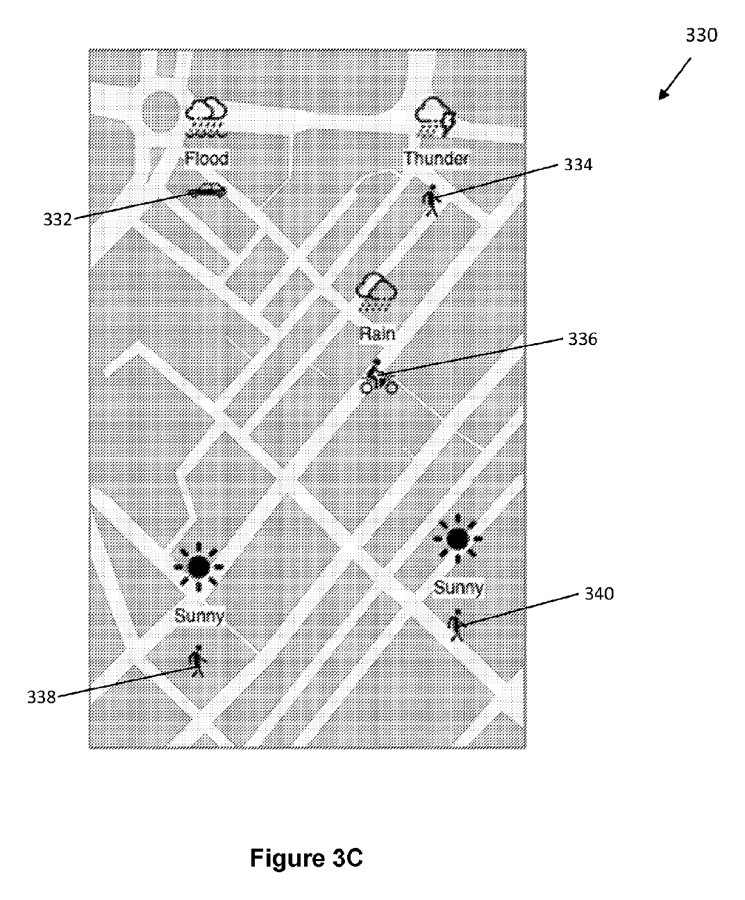
- Map: nearby phones sample and verify too. Their answers show the area and the intensity of the rain, down to street level.
The results can feed pricing, routing, arrival estimates and driver safety. Sound can even reveal whether a place is sheltered, so a delivery route can stay out of the rain.
We filed in Singapore on 1 April 2023, and the patent was granted on 2 December 2024. A Singapore divisional application, 10202301528U, is pending, with search and examination requested in May 2026. A US application is also pending, and the international application was published in October 2024.
Source
Filing details come from the official IPOS Patent Applications dataset, checked on 6 November 2026. The technical description is based on the published US application.